Café or Library: Where Students Actually Do Their Best Work
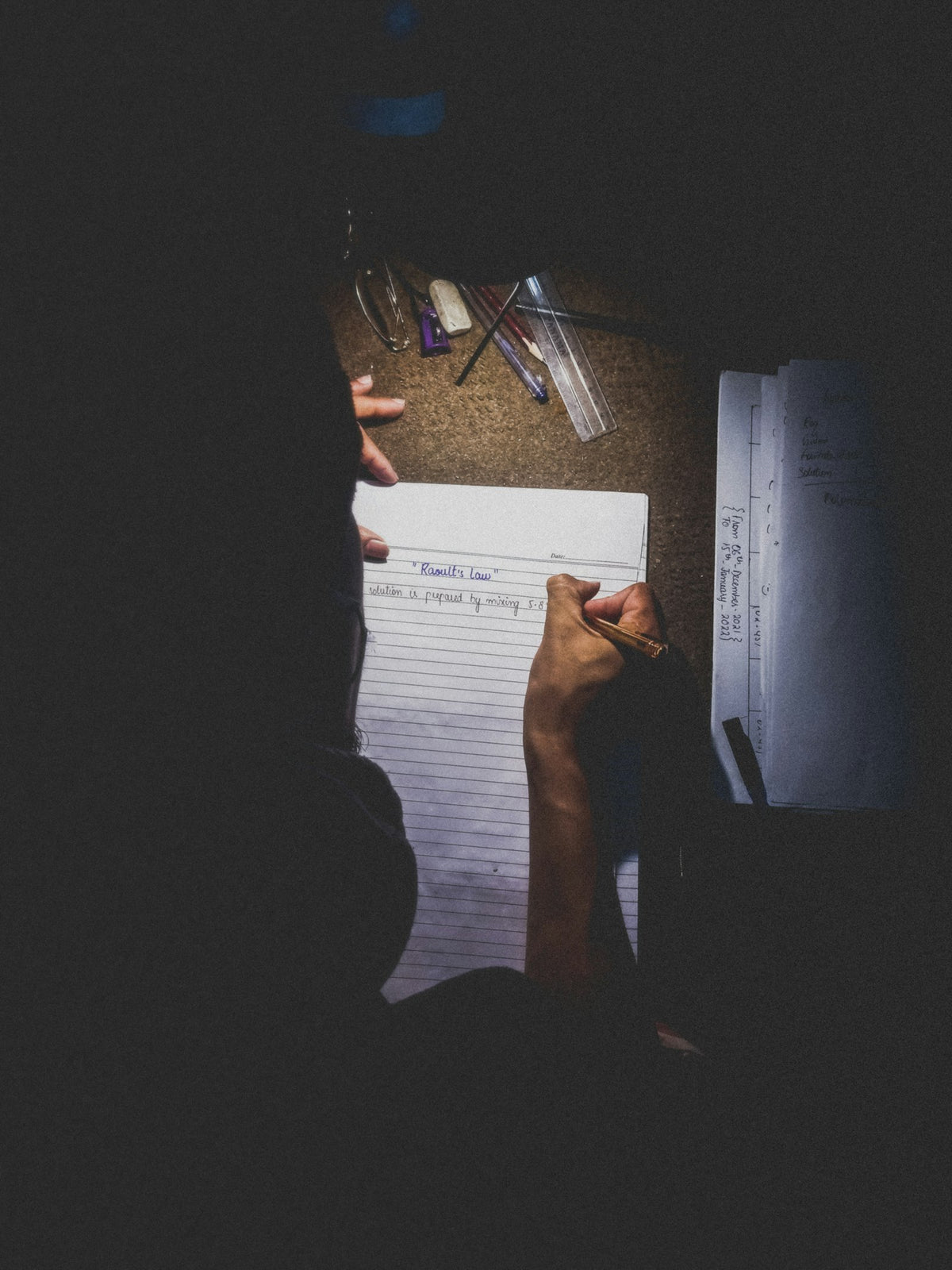
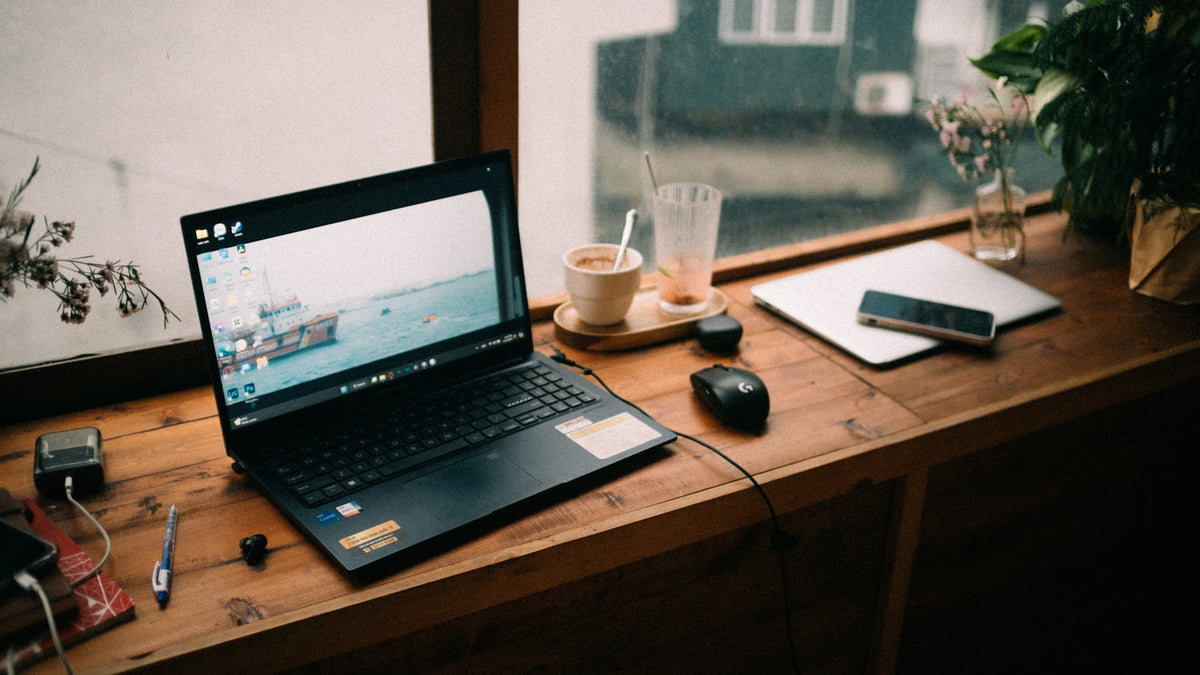
10am. You have already tried the library. Forty minutes in, the silence started feeling loud — the kind that wraps around every distraction in your head and amplifies it. You closed your laptop, pulled your hoodie sleeves down over your hands, and left. Now you are in a corner booth of a café down the road. There is a low hum of conversation, the smell of espresso, someone's playlist leaking softly from behind the counter. And somehow — impossibly — you are actually working.
You know this feeling. Most students do.
The debate between café and library is one of those genuinely unresolved questions of student life. Not because the answer does not exist, but because it is different for every person, every day, every kind of work. Understanding why — actually understanding it — might be the most useful thing you do this exam season.

Why the Library Wins (When It Does)
The library's power is architectural. There is something about walking into a building designed entirely for study that signals to your brain: this is what we do here. Environmental psychologists call this context-dependent memory — the idea that certain spaces trigger certain cognitive states. The library has trained you, over years, to associate it with focus.
Silence is the other thing. Not the absence of sound, exactly, but the absence of intention. Nobody in a library is trying to be heard. That particular quiet lets you slide into deeper work — the kind that takes thirty minutes to build and dissolves the second someone's phone rings. For essays, long problem sets, memorising cases or formulas, the library creates conditions that are genuinely hard to replicate anywhere else.
There is also the accountability of being surrounded by people who are also trying to concentrate. You glance up, see twenty heads down over twenty screens, and feel the pull back to your own work. It is social pressure without anyone saying a word.
The downside? The library can be clinical. If you are burned out, anxious, or blocked — the silence becomes hostile. It sits with you. Every unfocused minute feels louder.
What the Café Does Differently
A café does not demand anything from you. That is its quiet genius.
The background noise of a coffee shop — conversation, cups, the hiss of a milk steamer — operates at what researchers have found to be a near-optimal level of ambient sound for creative thinking. It is distracting enough to prevent your mind from spiralling inward, but not so disruptive that it fragments your attention completely. This is why some of the best writing, coding, and creative work gets done at corner tables with a cup going cold nearby.
There is also something about ownership. In a library, you are a guest in someone else's silence. In a café, you have paid for your seat. You can move around. You can look out the window. You can stay for three hours or leave after forty-five minutes and nobody notices. That autonomy matters more than most people realise — especially when you are already feeling the pressure of deadlines bearing down.

The café rewards a certain kind of brain: the kind that needs the world to remain slightly present, even while deep in something. Some people process better with stimulation around them. Some think clearest when there is life moving at the edges of their vision. The café is built for them.
The Real Variable Is How You Arrive
Here is what most study tips miss entirely: the location is almost never the point.
The question is not which space is objectively better. The question is what state you are arriving in. Anxious and overstimulated? The library's quiet will help bring you down. Numb and disconnected? The café's ambient energy will wake you up. Burned out and cold? Neither will help until you have addressed the basic human things — warmth, food, a few minutes of not performing.
The best study sessions have less to do with the postcode and more to do with whether you felt settled before you opened your notes. Settled enough to actually begin. Settled enough to stay. Students who seem to get the most done are often the ones who do not look like they are trying that hard. They walk in somewhere, get comfortable, and start. The setup is quiet. The comfort is taken for granted. And that is exactly the point.
Whether you are working through a stack of past papers or trying to finally start that essay that has been open in a tab for three days, the best study spots for students are the ones where you can forget about being uncomfortable and just think. The right thing to wear is part of that equation — not a luxury, but a precondition.
A Few Honest Rules for Choosing
Go to the library for: essays, long problem sets, deep reading, anything that needs genuine uninterrupted stretches of time. Go when you have a clear task and you already know what you are doing.
Go to the café for: first drafts, creative work, brainstorming, admin, anything you have been avoiding because the library feeling makes the block worse. Go when you need to feel human again before you can feel productive.
Go to neither when: you have been sitting somewhere for an hour and produced nothing. Sometimes the problem is not the space. It is a body that has not moved, eaten, or rested enough to think. Walk. Eat something. Come back. Then try again.
The best study spots are not found on a list. They are found through iteration — trying things, noticing what actually works, and letting go of the idea that one location holds the answer.
The Loyalty That Actually Matters
The library and the café are not rivals. They are tools. Different problems, different moods, different phases of exam season call for different environments. The student who understands this is not loyal to either — they are loyal to the work. They pack light. They keep warm. They know the difference between the kind of silence that helps and the kind that hinders, and they go where they will actually get something done.
That is the version of productivity nobody sells you — because it does not involve an app, a method, or a morning routine. It just involves knowing yourself well enough to choose the right room.
Imagery: Nguyen Phan Nam Anh, Hümâ H. Yardım, Macarena Navarro via Unsplash