The 2AM Version of You

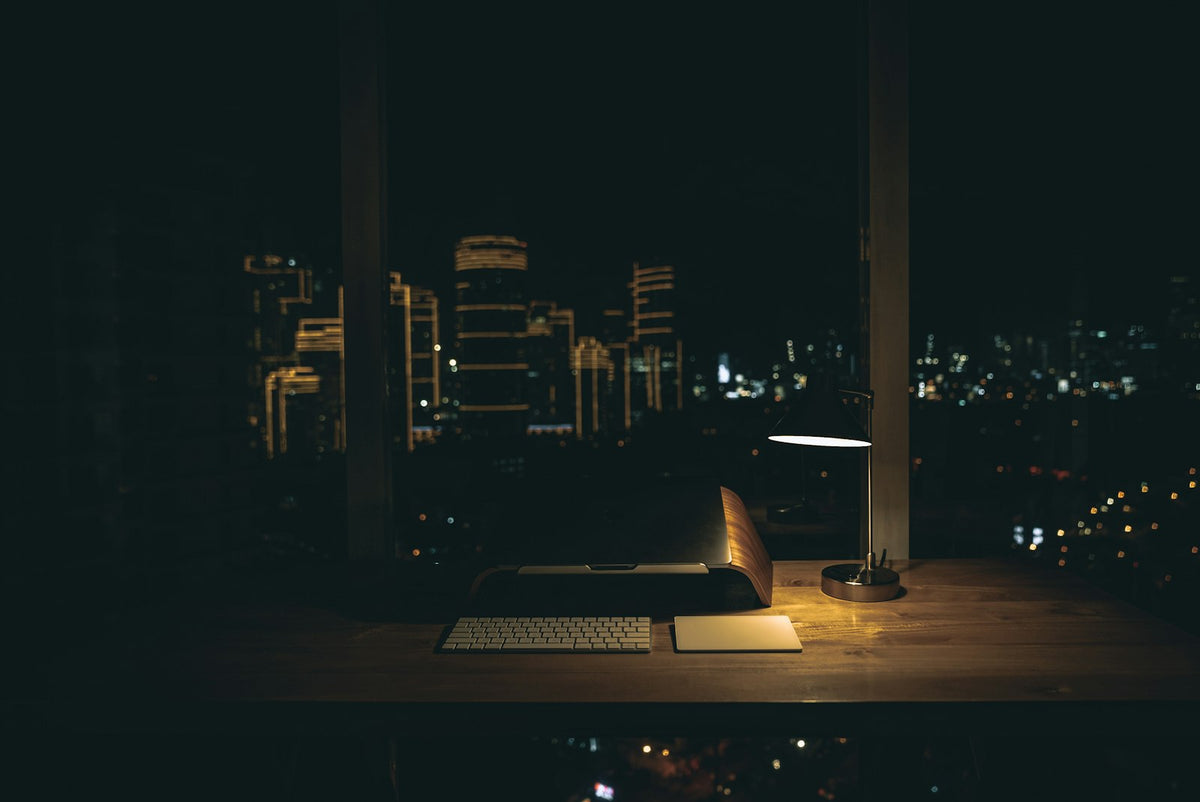
Everyone else is asleep. The flat is silent in a way that daytime never allows — no footsteps in the corridor, no notifications landing with intention, no low hum of someone else’s life filtering through the walls. It’s a 2AM study session, and your laptop glows in the dark like a small fire. You’re still here. You’re still going.
There’s a particular kind of person who comes alive in these hours. Not because they planned it, or because some productivity guru told them to. But because something about the late hours feels — finally — like yours.
Why Night Feels Different
The world has a rhythm that doesn’t belong to everyone equally. A genuine subset of people — researchers estimate around one in five — are wired, at a biological level, to think better, focus deeper, and feel more like themselves in the hours after midnight. Their cortisol peaks later. Their melatonin arrives late. Their body has been quietly fighting the nine-to-five its entire life.
If you’ve ever felt like you wasted your best hours on a morning you didn’t choose, this might be why.
Night strips things back. The options narrow. There’s the work, there’s the silence, and there’s you. No social obligations to half-attend, no ambient noise of a world in motion. The particular loneliness of 2AM is also its gift: there’s nobody to perform for. Whatever you’re building — an essay, a project, a future — you’re doing it honestly.
The Silence That Actually Helps

There’s a reason library culture has always leaned toward quiet. Silence isn’t about removing distraction. It’s about lowering the cost of deep thought. In the daytime, silence is something you fight for. At 2AM, it arrives without asking.
Students who pull late sessions will recognise the shift that happens around midnight — a kind of permission slip the brain quietly issues. The afternoon fog lifts. Ideas start connecting. The paragraph that felt impossible at 7PM writes itself at 1AM.
Part of this is simply the absence of social noise. The digital world doesn’t stop at midnight, but it slows, and that slowness creates room for the kind of thinking that’s genuinely hard to do in daylight. The kind that requires you to sit with a problem long enough to actually understand it.
The Hoodie as Armour
There’s a uniform for these hours, and it isn’t particularly intentional. It’s an oversized hoodie — usually the same one, the one you’ve had long enough that it feels like a second skin. It keeps you warm when the heating cuts off. It makes the desk chair feel less like a desk chair. It signals something to yourself: I’m not done. I’m still in it.
The comfort matters more than it might sound. When your environment is right — warm enough, dim enough, quiet enough — your body stops working against you. You stop shivering, stop adjusting, stop noticing the room. And you can finally just think. A heavyweight, properly oversized hoodie isn’t loungewear. In these hours, it’s infrastructure.
What You’re Actually Doing at 2AM

Here’s the thing about late-night students and night owl creatives: they’re not behind. They’re not failing at being morning people. They’re operating in the only hours where they can actually access their best work — and they’re doing it consistently, quietly, without anyone watching.
That quality of nobody watching matters. Some of the most honest work happens in private. The draft that doesn’t have to impress anyone yet. The idea that gets to exist in rough form before the daylight world gets to judge it. The late night is a rehearsal space for the person you’re becoming.
There’s a concept sometimes called deep work — the state where you’re not multitasking, not monitoring, not managing anything except the thing in front of you. Night owls tend to access it more naturally. Not because they’re more disciplined, but because the hours cooperate with their biology rather than fighting it.
Not everyone who stays up late is being productive. But the people who keep showing up at 2AM, night after night, working on something that matters to them — those people are building something real. One session at a time. One late night at a time. You don’t need to justify your schedule to anyone. You don’t need to pretend the 6AM run is coming.
The version of you that exists after midnight — focused, quiet, genuinely interested in what you’re doing — that version deserves to be taken seriously.
The night belongs to the people who stayed.
Imagery: JC Gellidon, Jez Timms, Thomas Kelley via Unsplash