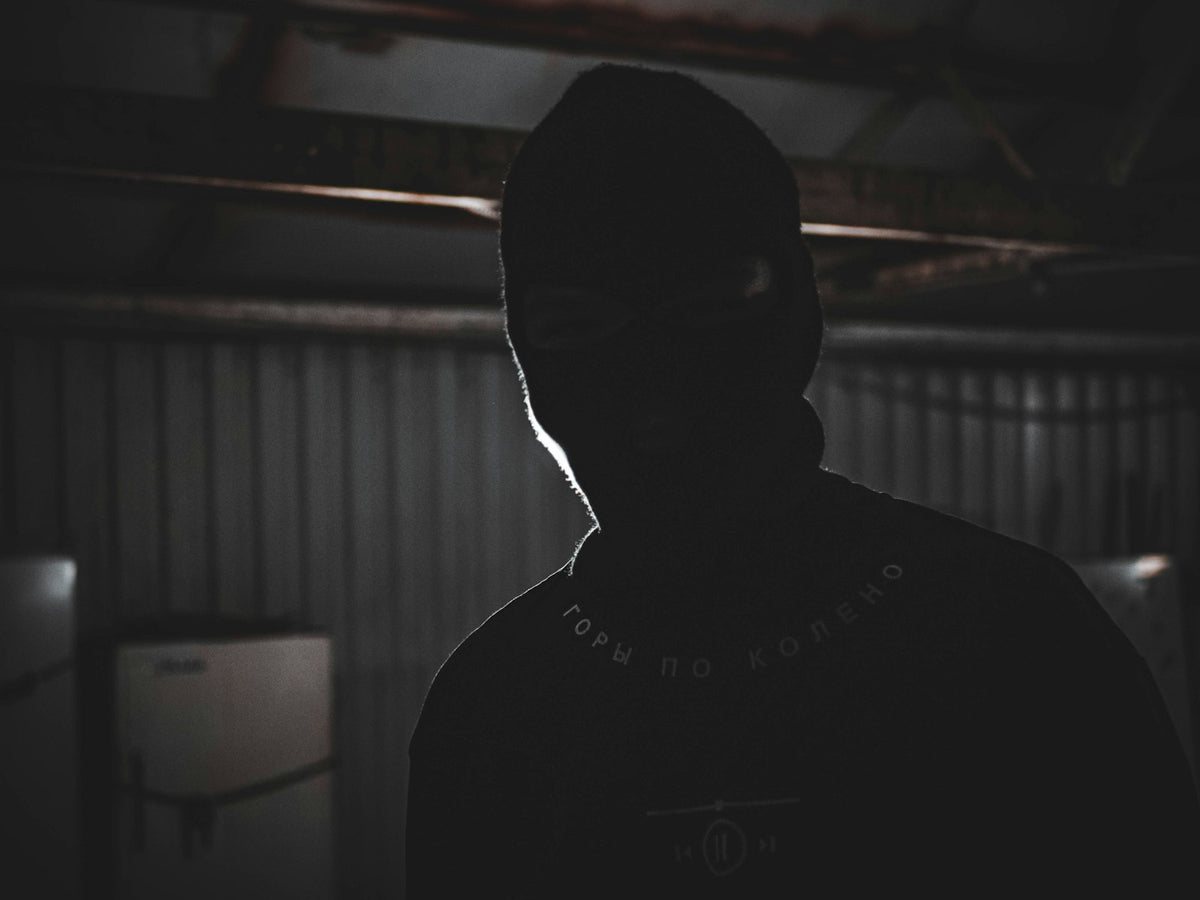
The Fit That Needs No Explanation

You have about four minutes before you need to leave for the library. You pull on the hoodie — the one that's been on the back of your chair for three days — and that's it. Decision made. The rest of the outfit falls into place around it, or it doesn't, but it doesn't really matter, because the hoodie is doing most of the work.
There's a reason the oversized hoodie outfit has become the unofficial uniform of late-night students, coders, creatives, and people quietly building something. It's not laziness. It's a kind of visual shorthand: I'm dressed, I'm comfortable, and I have things to do.
But there's a difference between wearing an oversized hoodie and actually looking like you meant to. The margin between "borrowed from someone much larger" and "effortlessly put together" is mostly a question of proportions — and once you understand the rule, you won't have to think about it again.
The One Rule That Actually Matters
The principle behind every good oversized hoodie outfit is simple: one oversized element, everything else grounded. If the top is loose, the bottom should have structure. If the sleeves fall past your knuckles, the trousers should sit cleanly at the ankle. The silhouette works because there's a contrast — volume on top, definition below — and when that contrast disappears, so does the intention.
This is also why the weight of the hoodie matters more than most people realise. A heavyweight hoodie — the kind made from dense, structured fleece — drapes. It holds its shape. It sits on the shoulder in a way that feels considered rather than deflated. A thinner hoodie folds against the body, loses its structure, and reads as exactly what it is: something you put on because nothing else was clean. The same rule applies to the fit: shoulder seams should fall slightly past your natural shoulder line, and the hem should hit mid-hip or lower. That's when the silhouette starts to look like a choice.
What to Wear It With

The bottom half of an oversized hoodie outfit is where most people either pull it together or lose it entirely. The safest pairing — and the one that works almost universally — is a straight-leg trouser or jean in a neutral colour. Straight-leg works because it mirrors the clean, uncluttered energy of the hoodie without competing with it. Wide-leg trousers can work too, particularly in heavier fabrics, but they require a bit more confidence and tend to look better in winter.
Fitted joggers are the other honest option. Not the kind with logos printed down the leg — just a clean, tapered pair in grey, navy, or black. They're the library-to-coffee-shop transition outfit in a single decision, and they work because they make the looseness of the hoodie look intentional rather than accidental.
For footwear, the cleaner, the better. Low white trainers are the default for a reason: they're light, they don't compete, and they extend the line of the leg rather than breaking it. Boots work well with straight-leg or wide-leg trousers in cooler months and add just enough weight to anchor the look. What tends not to work: heavy chunky trainers that pull the eye downward, or anything too casual — slides, worn-out shoes — that reads as "this was closest to the door."
Three Looks Worth Knowing

If you want starting points, here are three that require almost no effort and consistently work:
The campus default. Oversized hoodie in a neutral — grey, black, or off-white — with straight-leg jeans in a mid to dark wash and clean low trainers. Add a tote or a simple backpack. You look like someone who has places to be.
The elevated transition. Same hoodie, wide-leg trousers in a heavier fabric, and either boots or simple leather sneakers. Works for moving from a seminar to a coffee meeting without changing. The trousers do the work.
The library build. Heavyweight hoodie over a plain fitted tee, with tapered joggers in charcoal or black and clean trainers. Comfortable enough to sit in for four hours. Put together enough that you don't feel like you've given up on the day.
Why It Works When Nothing Else Does
People who wear oversized hoodies most days aren't trying to make a fashion statement. They're trying to get out of their own way. Getting dressed doesn't need to be a decision that costs you energy before a long session, and the more friction you remove from the small things, the more you have left for the things that matter.
There's something honest about it. The people who live in hoodies — students staying late, coders deep in a build, people working at midnight because that's when the ideas come — aren't trying to impress anyone. They're comfortable enough to focus. The hoodie disappears into the background, and the work moves forward.
That's what a good oversized hoodie outfit should do: earn permanent residency in your wardrobe by never making you think about it. You reach for it on the days that matter most, and it's always there, exactly where you left it.
Imagery: Unseen Studio, Janko Ferlič, Gery Wibowo via Unsplash