The Psychology of Locking In

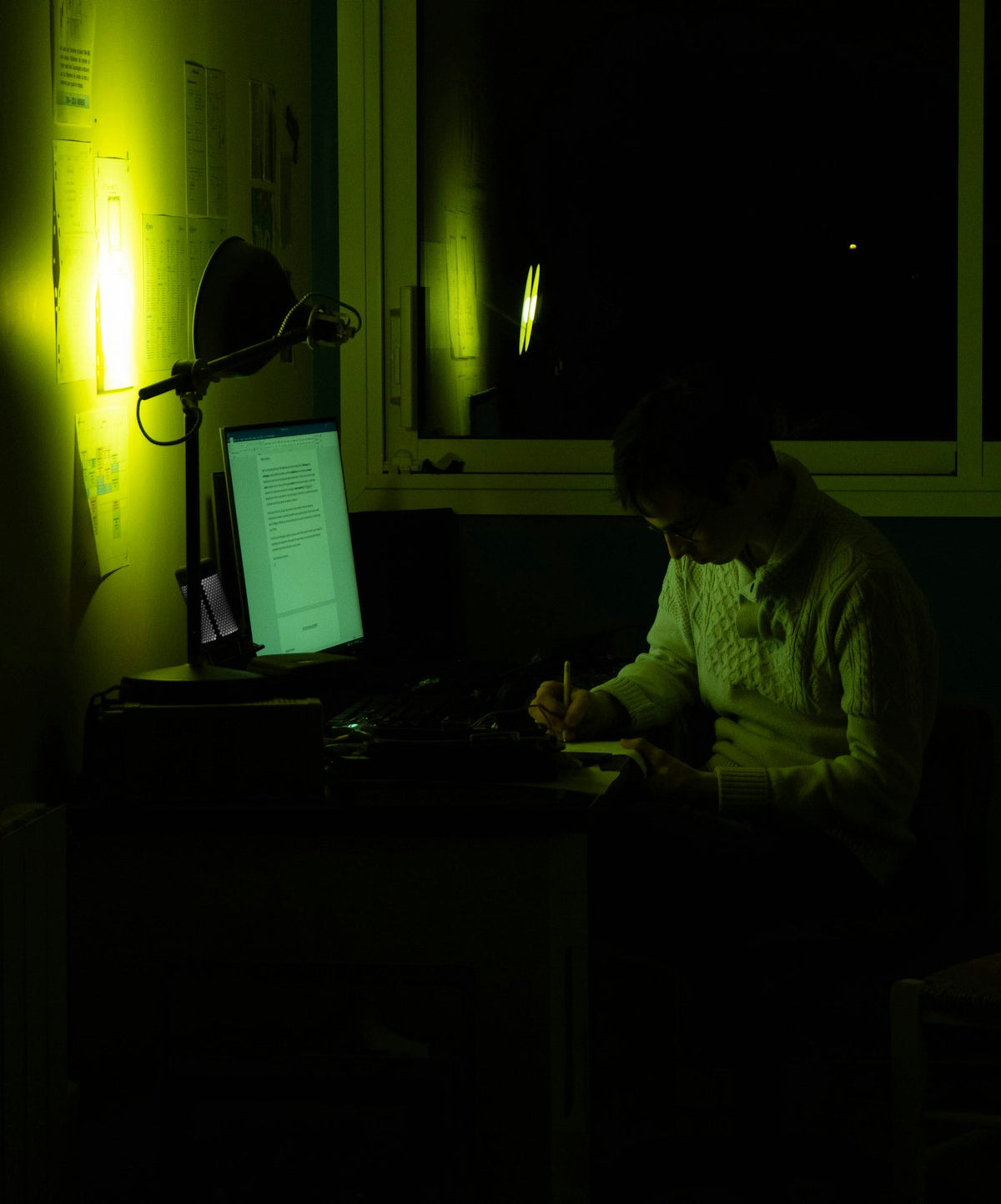
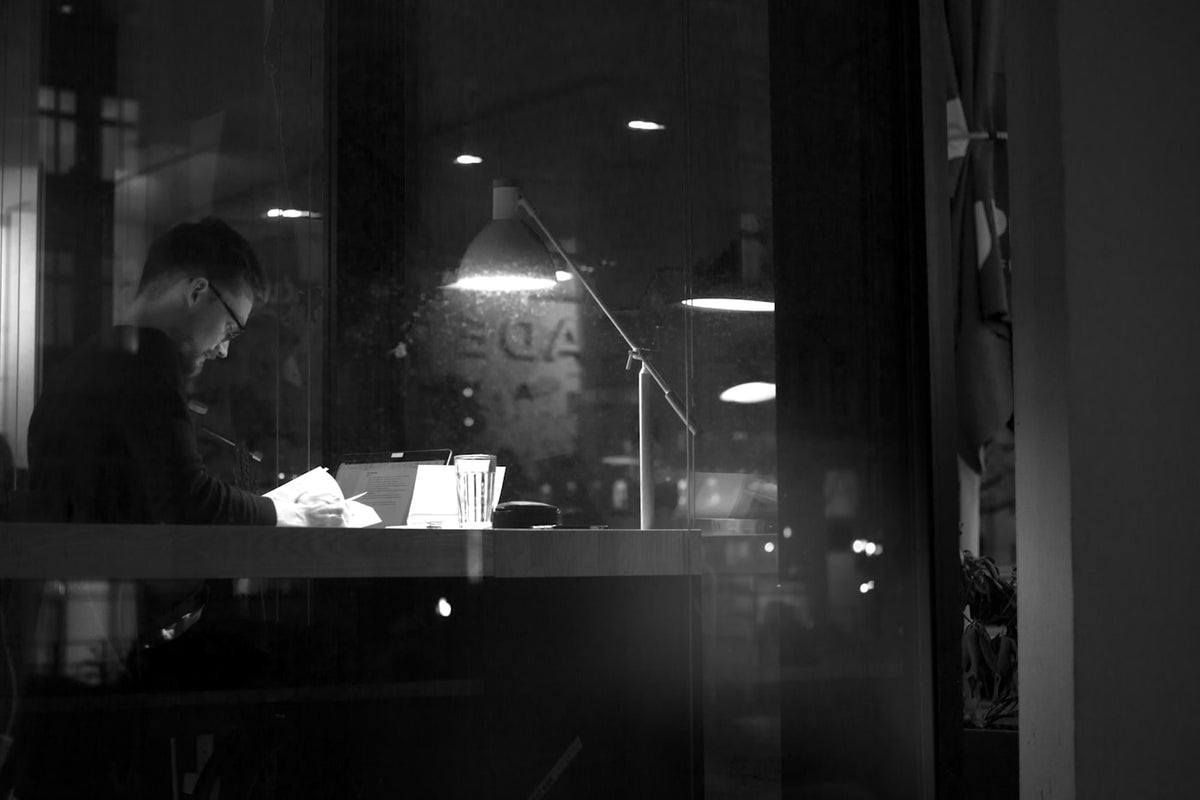
There's a difference between sitting in a library and actually being there. You know the first version — phone face-down on the desk, notes open, a highlighted textbook you haven't moved in twenty minutes. You're present. You're technically studying. And yet nothing is getting in.
Then there's the other thing. The state where an hour passes and you only notice because the window's gone dark. Where a concept you've been circling for a week suddenly makes complete sense. Where the work stops feeling like work and starts feeling like momentum. Like you're actually going somewhere.
Exam season focus is the difference between those two states. And it turns out there's a lot of psychology behind why one happens and the other doesn't.
What "Locking In" Actually Means
The phrase comes from the feeling itself — a sense of closing off from everything peripheral and entering the work completely. Psychologists have a name for it: flow state, described as a condition of complete absorption in a challenging task, where self-consciousness recedes and time distorts.
What triggers it isn't willpower. It's a specific ratio of challenge to skill. If the task feels too easy, your mind drifts. If it feels impossible, you seize up. The lock-in moment tends to happen when you're right on the edge — working just beyond your comfort zone but not so far that it breaks you. This is why students often describe a strange relief that comes from finally sitting with something difficult and staying there: the work itself creates the focus.
Why Exam Season Makes It Harder
There's a painful irony in the way exam season works. It's the period that demands the deepest focus while simultaneously creating the most hostile environment for it. Anxiety about grades competes with the actual task of learning. The awareness that other people are also studying creates a low hum of comparison. There are too many subjects, too many notes, too many tabs open.
Cognitive load — the mental bandwidth your brain has available at any moment — gets eaten up by all of that background noise before you even open a textbook. What feels like a lack of motivation is often just a system running at capacity, with nothing left over for the actual work.

The Conditions That Make It Possible
The good news is that flow state is environmental as much as it is psychological. You can design conditions that make it more likely to arrive — and more likely to stay.
Reduce decision fatigue before you sit down. Know what you're studying, for how long, and in what order. The moment you have to choose between subjects mid-session, you break the thread. Plan it before you sit.
Control your physical environment. Warmth, specifically, matters more than productivity culture tends to admit. A body that's cold is a body that's distracted — part of your brain is permanently managing that discomfort, which leaves less bandwidth for the actual work. Being warm, properly warm, is one of the simplest things you can do to extend your focus window. There's a reason the library regular has a specific hoodie they always bring: not a thin layer, but something midweight with a brushed fleece interior that traps warm air close to the skin. The Hüdíe Eclipse Panel in Cream is built exactly for this — midweight brushed construction, 80% cotton so it breathes rather than trapping moisture that makes you colder, and a relaxed fit that stays comfortable across a four-hour session. The warmth is in the construction, not the marketing.
Reduce input. One task per session. No multi-tab browsing. If your study playlist requires choosing a track every few minutes, it's not working for you. The goal is to lower the surface area of the world you're managing so your brain can go deeper into one thing.
The Moment It Clicks
Students who've experienced real lock-in tend to describe it the same way: a shift, around fifteen to twenty minutes in, where the resistance fades. The first fifteen minutes are almost always the hardest — the mental friction of arriving, of overcoming inertia. If you stop in those first fifteen minutes, you'll never know whether you were about to break through.
The people who develop the ability to lock in aren't people with superhuman concentration. They're people who've learned to stay for those first uncomfortable minutes. Who've noticed that the friction is temporary. Who've built an environment and a routine that makes getting through the threshold slightly easier every time.
That's all exam season focus is, in the end. Not discipline. Just practice at staying with something long enough to find out what's on the other side.
If your environment is working against you, sometimes the fix is simpler than you think. See the Eclipse Panel — built for the long hours.