The Psychology of Locking In

You know the moment. You sit down, open your notes, and for the first twenty minutes nothing quite happens. Your phone is face-down but you can still feel it. There's a half-finished coffee going cold. The person two tables over keeps shifting in their chair.
And then — at some point you can never predict — something changes. The noise fades. Your body settles into the chair. The next time you look up, it's been two hours and you've done more than you managed all day.
That's what locking in feels like. Most of us have been there at least once. The harder question is: can you get there on purpose?
What "Locking In" Actually Is
Psychologists call it a flow state — a condition of complete absorption in a task where effort feels effortless and time stops making sense in the usual way. The researcher Mihaly Csikszentmihalyi spent decades studying it. What he found wasn't complicated: flow happens when the challenge of a task closely matches your skill level. Too easy and your mind wanders. Too hard and you freeze.
But for students, locking in is more than a difficulty balance. It's about mentally crossing a threshold — moving out of the scattered, notification-driven mode most of us live in for most of the day, and into something quieter. Something that feels, honestly, like rest — even when you're working hard. That quality of presence is what makes the difference between a productive three hours and a wasted five.
The Environment Sends a Signal

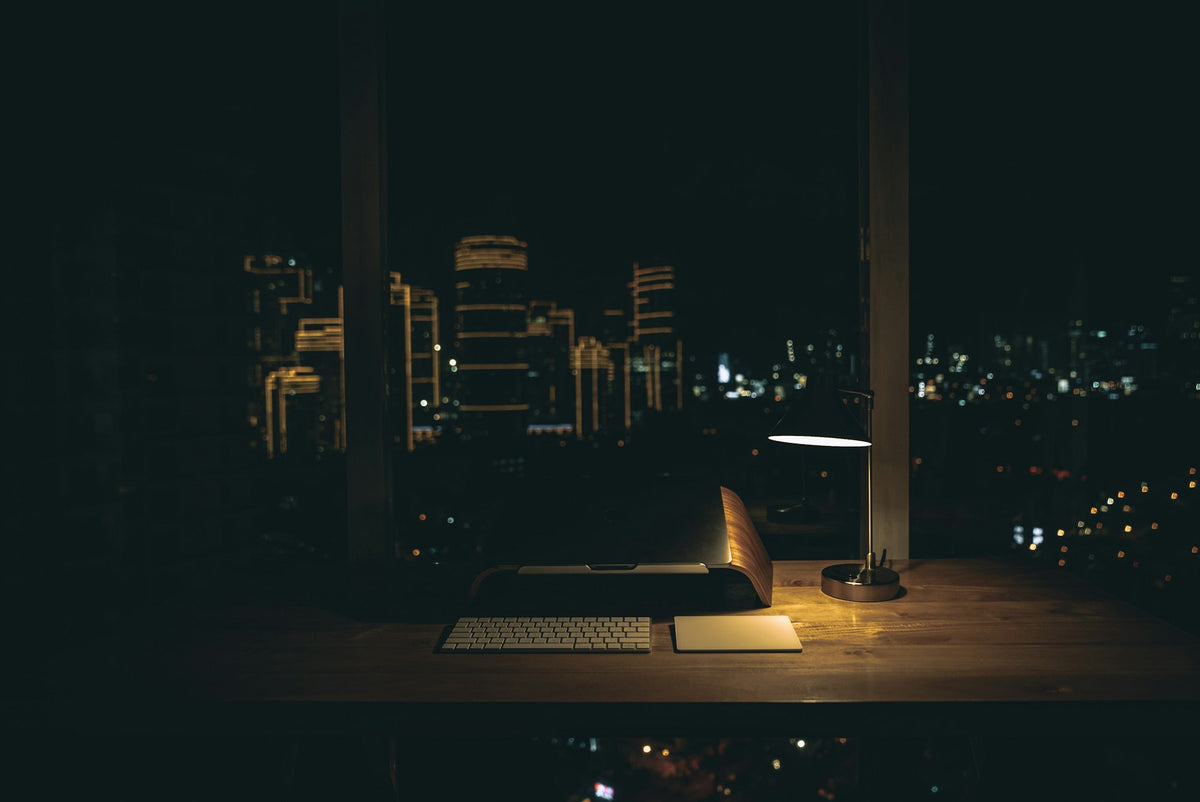
There's a reason so many students seek out libraries at night. It's not just about the desks or the Wi-Fi. It's the cold. The silence. The low, focused atmosphere of a room full of people trying to do one thing. Libraries are engineered — often unintentionally — to tell your nervous system: this is not a place for scrolling. This is a place for doing.
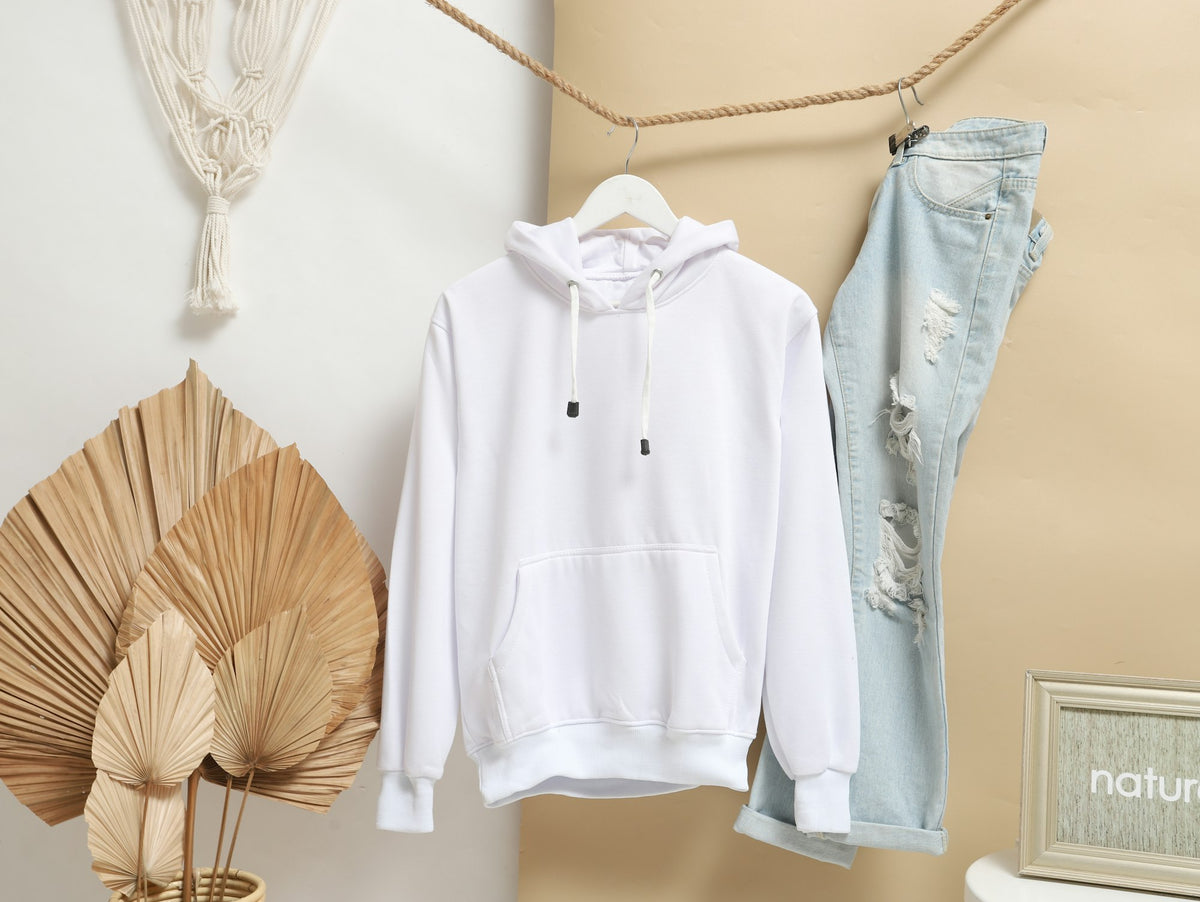
The same logic applies at a smaller scale. The jacket you pull on before you sit down. The drink you make as a ritual before opening your laptop. The playlist you only put on when you actually mean to work. These aren't procrastination — they're environmental cues that prime you for focus. When you're physically warm in a cold room, settled and wrapped against the chill of a library seat, your body relaxes in a way that restlessness doesn't allow.
It sounds almost too simple. But the gap between someone who struggles to focus and someone who locks in consistently is often just a matter of the signals they're sending themselves before they even begin.
Why It's Harder to Find Than It Used to Be
The honest answer is that our attention is under structural pressure in a way that previous generations didn't face. Phones don't just distract us when we pick them up — they create a low-level anticipation even when they're silent. The habit of checking, of half-monitoring, of being perpetually interruptible, changes how we use our minds even when the phone isn't in our hands.
This isn't about weakness or willpower. It's about what your brain has been trained to expect. If you've spent years moving between five things at once, the expectation of switching becomes the default. Deep, sustained attention starts to feel unusual — even uncomfortable. The first fifteen minutes of any real work session can feel like trying to push through something thick.
Which is exactly why ritual matters. Why environment matters. Why the deliberate decision to sit down without an exit plan matters more than most people realise.
Getting There on Purpose

There are a few things that consistently work — not as hacks, but as honest observations about how focus actually builds.
The first is a clear starting point, not a clear goal. Instead of "I need to finish this essay," the instruction that tends to get people into flow is simpler: "I'm going to write the first paragraph." The task is small enough to start without resistance. Momentum does the rest.
The second is protecting the first ten minutes. The early part of any focus session is fragile. One notification, one text, one quick check can reset everything. Treat the first ten minutes as something to be defended — phone down, tab closed, presence committed. Get through that window and the rest usually follows.
The third is getting physically settled before you mentally try. This means temperature. Posture. Whether you're hungry or cold or vaguely uncomfortable in a way you haven't addressed. These things aren't secondary to focus — they're part of it. There's a reason you do your best work when you're warm and still, wrapped in something that tells your body it's safe to slow down and stay.
The Rest Is Just Time
Locking in is not a talent that some people have and others don't. It's a state — one that's accessible, learnable, and more a matter of conditions than character. The students who seem effortlessly productive aren't grinding differently. They've figured out what helps them cross that threshold, and they've built small rituals around it.
Find yours. Protect the start. Stay warm. The work will follow.
Imagery: JC Gellidon, Gery Wibowo, Jez Timms via Unsplash