What You Actually Drink When You're Locked In
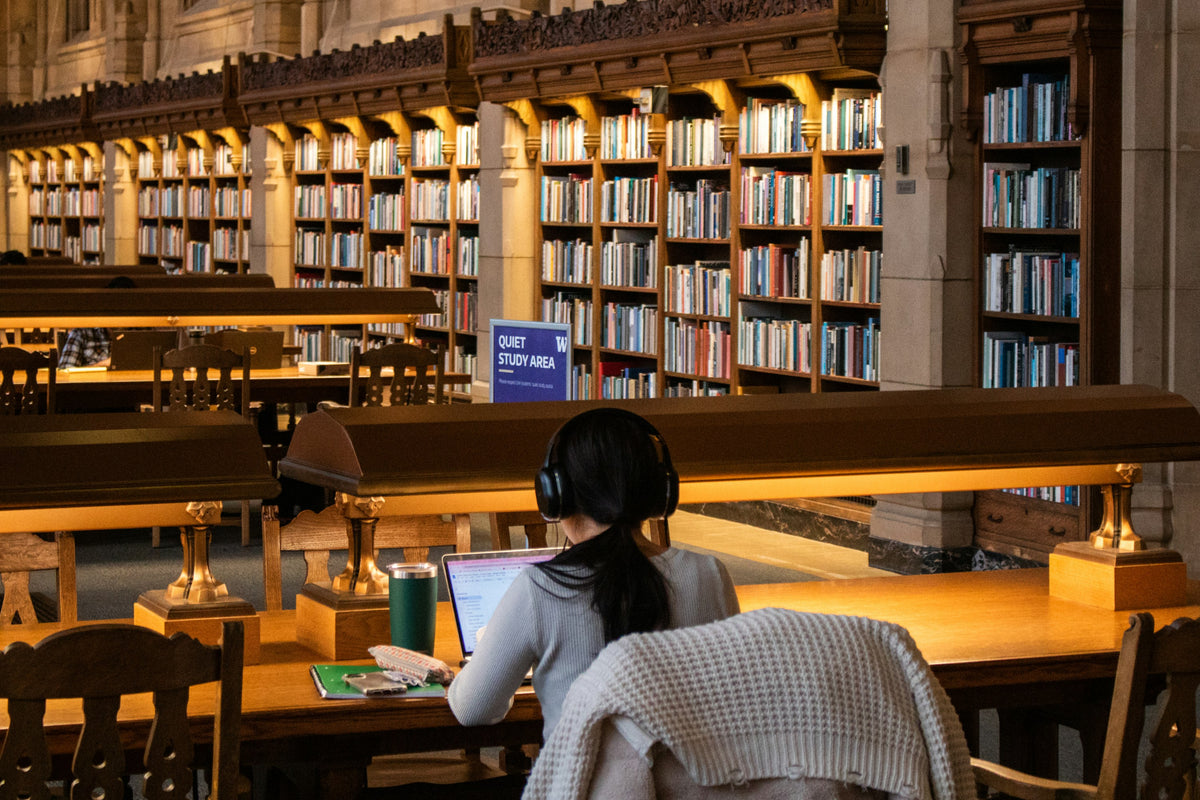
It is eleven o'clock. The library has thinned out to the serious ones — the people who didn't pack up when the energy dropped, who are still in their seats with another tab open and another hour to go. The overhead lights are too bright for how tired you feel. You reach for your cup. It's warm. It's almost empty. You know you need to get up and get another one.
That moment — the reaching, the cup, the pause — is more important than it looks.
The drinks you consume during a long study session are not just caffeine delivery systems. They are anchors. They mark time. They give your hands something to do when your brain is working too hard to sit still. And if you're spending four, five, six hours at a desk, what you drink shapes how that night actually feels.

The First Cup: The Signal That It's Starting
For most students, the first drink of a study session is coffee. Not because it's the most effective thing — though the caffeine helps — but because it feels like a starting gun.
There's a ritual in making it, or ordering it, or unwrapping it from the paper sleeve if you've come from the café downstairs. The first sip is an agreement with yourself: we're doing this tonight. That psychological signal is real. It is why some people can't work without one, even if they don't particularly need the caffeine.
The first cup is not really about focus. It's about beginning.
The Midnight Switch
Somewhere around midnight — or whatever hour it is when the night starts to feel long — the rules change. Caffeine stops doing what you need it to do and starts working against you. The jitters come in. Your thoughts start moving in circles. You've had too much, or too late, and you know it.
This is when the serious students switch.
Matcha is popular among people who've been through enough late nights to know what they actually need. The caffeine is gentler, and the L-theanine that comes with it has a calming, focusing effect that doesn't spike and crash the way espresso does. It keeps you moving without the buzz that makes it impossible to read the same sentence twice.
Peppermint tea is a different kind of choice — no caffeine at all, but something in the sharp, cool scent acts like a small reset. A few minutes with a hot mug of it and the fog lifts just enough.
And then there's water. Plain, unglamorous, essential water. It is deeply unsexy to admit that hydration is part of focus, but it is. If your head is starting to feel foggy and you haven't drunk anything but coffee for four hours, the answer is almost certainly not more coffee.

What the Drink Actually Gives You
The thing is, no drink fixes a difficult essay. No amount of caffeine makes understanding a complex topic easier at 1AM. What a good drink gives you is something softer: warmth, rhythm, a reason to pause.
The act of standing up to make tea. The ten minutes away from the screen. The decision — green or black, oat milk or none — these small choices give your brain a momentary rest. They feel like wasted time. They are actually necessary time.
Long nights are not won by pushing through continuously. They're won by pacing yourself. The drink is part of the pacing. It gives structure to hours that would otherwise blur together, turns an endless stretch of desk time into something more like a rhythm.
Making the Night Feel Like Yours
There is a version of studying that feels like punishment and a version that feels like ownership. The difference is mostly in the details.
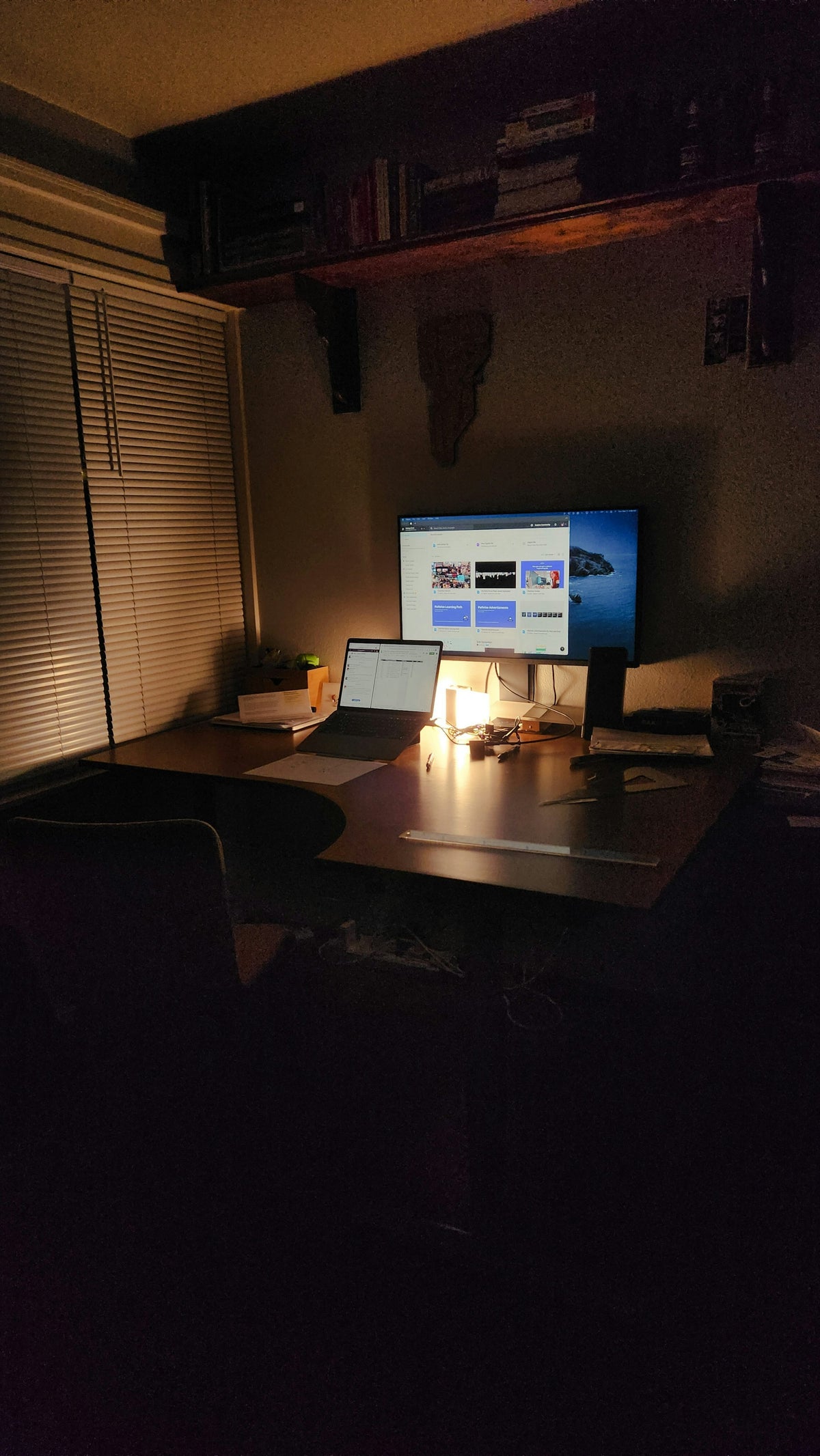
The right cup. The lamp at the right angle. The playlist that doesn't compete with your thoughts. And the hoodie you've been living in since October — the one that's soft enough that you barely notice you're wearing it, that makes a cold library seat feel slightly less like a place you have to be and slightly more like a place you chose.
When those things align, the night stops feeling like something you're surviving and starts feeling like something you built. The hours between ten and two stop being dead time and become yours. Quiet, focused, warm. The kind of hours that accumulate into something.
That feeling is worth setting up deliberately. Not just the drink — but everything around it.
Imagery: JC Gellidon, Sixteen Miles Out, Rafay Ansari via Unsplash