The Burnout That Doesn't Feel Like Burnout
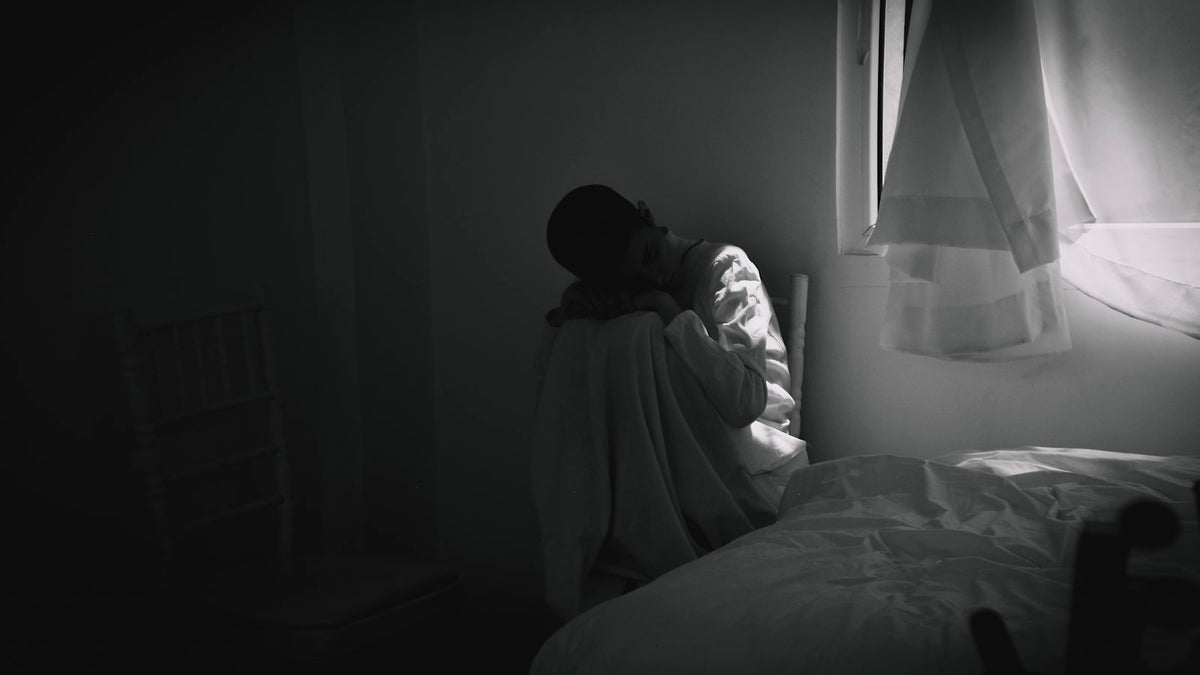
It's 2:14 in the afternoon and you are still in the hoodie you slept in. The curtains are half open. There's a mug on the nightstand that went cold an hour ago, and your phone is face-down because you already know what's on it: the group chat making plans, the inbox with subject lines that start with "Following up," the vague sense that everyone else is doing something with their Saturday. You are doing nothing. You have been doing nothing since eleven. And some part of you, quiet but persistent, has started keeping score.
This is not a story about laziness. It's a story about the particular kind of tired that doesn't show up on a schedule, the exhaustion that sneaks in after weeks of being switched on, and the strange guilt that comes with finally sitting still. Call it burnout, if the word doesn't feel too dramatic for a Saturday afternoon in a hoodie. Most students never do — it doesn't look like collapse, so it doesn't get named.

The Burnout That Doesn't Feel Like Burnout
Student burnout rarely announces itself. It doesn't arrive as a breakdown in the library or a dramatic exit from a lecture hall. More often it shows up as a Saturday that disappears, a to-do list you can't make yourself open, a bed you can't quite leave even though nothing is technically wrong. Psychologists who study younger generations have pointed out, again and again, that today's students report carrying more stress than the students before them — squeezed between academic competition, financial pressure, and a culture that never fully clocks out. The body responds to that pressure the only way it knows how: by shutting the laptop and refusing to open it again for a while.
The internet has a name for the aftermath — bed rotting, hours spent horizontal and unbothered, scrolling or half-watching something with the sound low. Whether that counts as self-care or as a symptom depends entirely on what it's doing for you. Rest that lets you exhale is different from rest that's really just hiding. The trouble is, from inside a hoodie at 2pm, it can be hard to tell which one you're in.
Why Rest Feels Like Something You Have to Earn
Somewhere along the way, doing nothing stopped being neutral. It became a transaction — something you had to deserve, and only after enough hours logged, enough boxes ticked, enough of the right kind of tired. Ambitious people are especially bad at this. If you're the type who's building something, chasing a grade, a portfolio, a future version of yourself, rest can start to feel like falling behind in a race nobody else can see you running.
But the people who last — through exam season, through the projects that eat entire semesters, through the years it actually takes to become who you're trying to be — are rarely the ones who never stop. They're the ones who figured out how to stop without spiraling into guilt about it. Rest isn't the opposite of ambition. It's what makes the next stretch of it possible.
The Uniform of Guilt-Free Rest
There's a reason the hoodie is the default outfit for this exact feeling. It doesn't ask anything of you. No fit to think about, no version of yourself to perform — just something heavy and warm that makes the decision to stay in bed feel less like avoidance and more like a choice you're allowed to make. A good hoodie does a strange, quiet job: it gives permission. Oversized, worn-soft, the kind of heavyweight piece you reach for without thinking — it turns rest from something you feel caught doing into something you were always going to do anyway.

Think of it as the other half of the library. The same comfort that gets you through a 2am study session — the warmth, the weight, the not-having-to-try — is what makes it possible to actually switch off when the session ends. It's the same hoodie either way. Just a different kind of locking in.
How to Rest Like You Mean It
Guilt-free rest isn't complicated, but it usually needs a little structure to actually land:
- Pick an end point before you start — even a rough one — so the afternoon has an edge instead of dissolving into evening.
- Let your body get comfortable on purpose. Change out of the clothes you studied in. Put on the hoodie that means off-duty, not almost-working.
- Do one thing that isn't a screen, even for twenty minutes — a window open, a walk, a song with the volume actually up.
- Skip the mental audit. You don't owe the day a productivity report before you're allowed to enjoy it.
None of this erases the guilt entirely. It just gives it somewhere smaller to live.
The version of you at 2am, three coffees deep, locked into a problem set — that version gets all the credit, all the mythology, all the study-with-me videos. But the version of you at 2pm, still in the hoodie, doing absolutely nothing on purpose, is doing something just as necessary. It's the part of ambition nobody films. Let it happen anyway.
Imagery: Sam Moghadam and Allen Y via Unsplash.