Why Group Projects Feel Like a Second Job
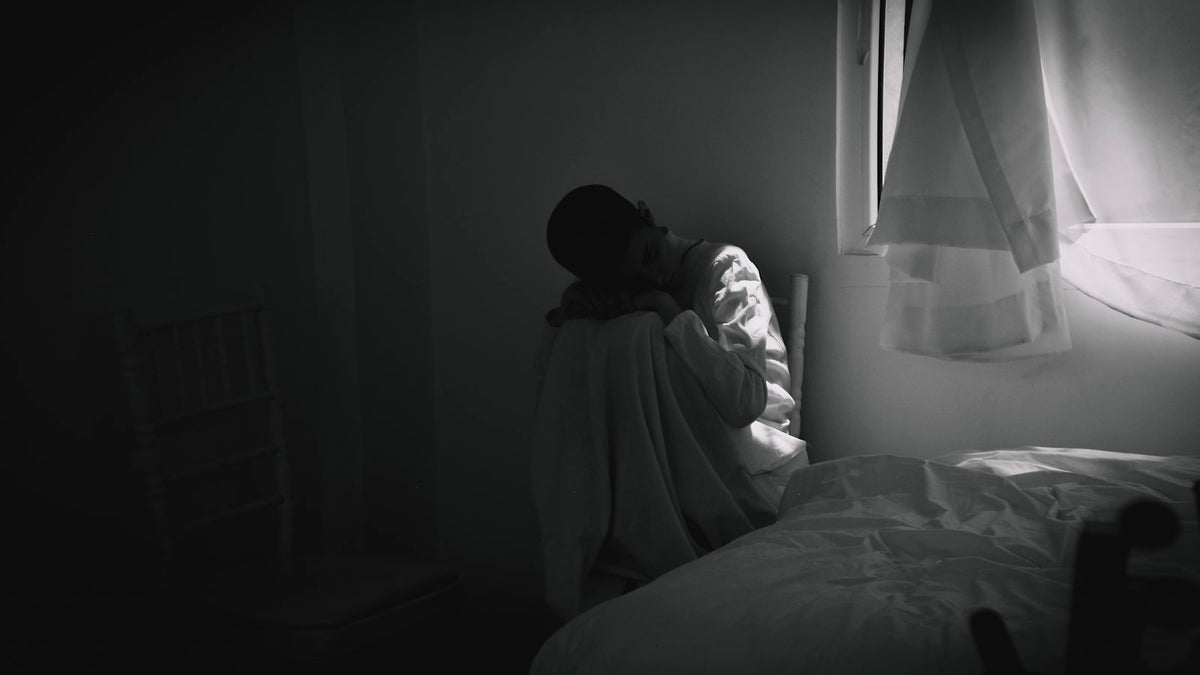
It's 9:47pm and the shared doc has exactly one cursor blinking in it. Yours. Somewhere out there, three other people have "seen" the message you sent forty minutes ago. Your hoodie sleeves are pulled down over your hands, not because it's cold, exactly, but because refreshing a group chat feels better when you're wrapped in something. This is the part of student life nobody puts in the prospectus: group projects don't just cost you hours, they cost you a specific kind of energy that homework alone never touches. And somehow you're still the one making the slide deck at midnight.
Group projects feel like a second job because, in every way that matters, they are one. There's a manager you didn't choose, deadlines that depend on people you can't control, and a performance review disguised as a peer evaluation form. The syllabus calls it "collaborative learning." Your nervous system calls it work.
The Group Chat Goes Quiet When It Matters
Every group project has the same plot twist: enthusiasm in week one, silence by week four. The kickoff meeting is all good energy and shared calendar invites. Then the actual working sessions arrive, and the group chat that used to fill up with memes goes quiet exactly when you need someone to answer "can you send your section by tonight." You end up doing a strange kind of emotional labor alongside the actual coursework: managing other people's motivation while trying to hold onto your own.
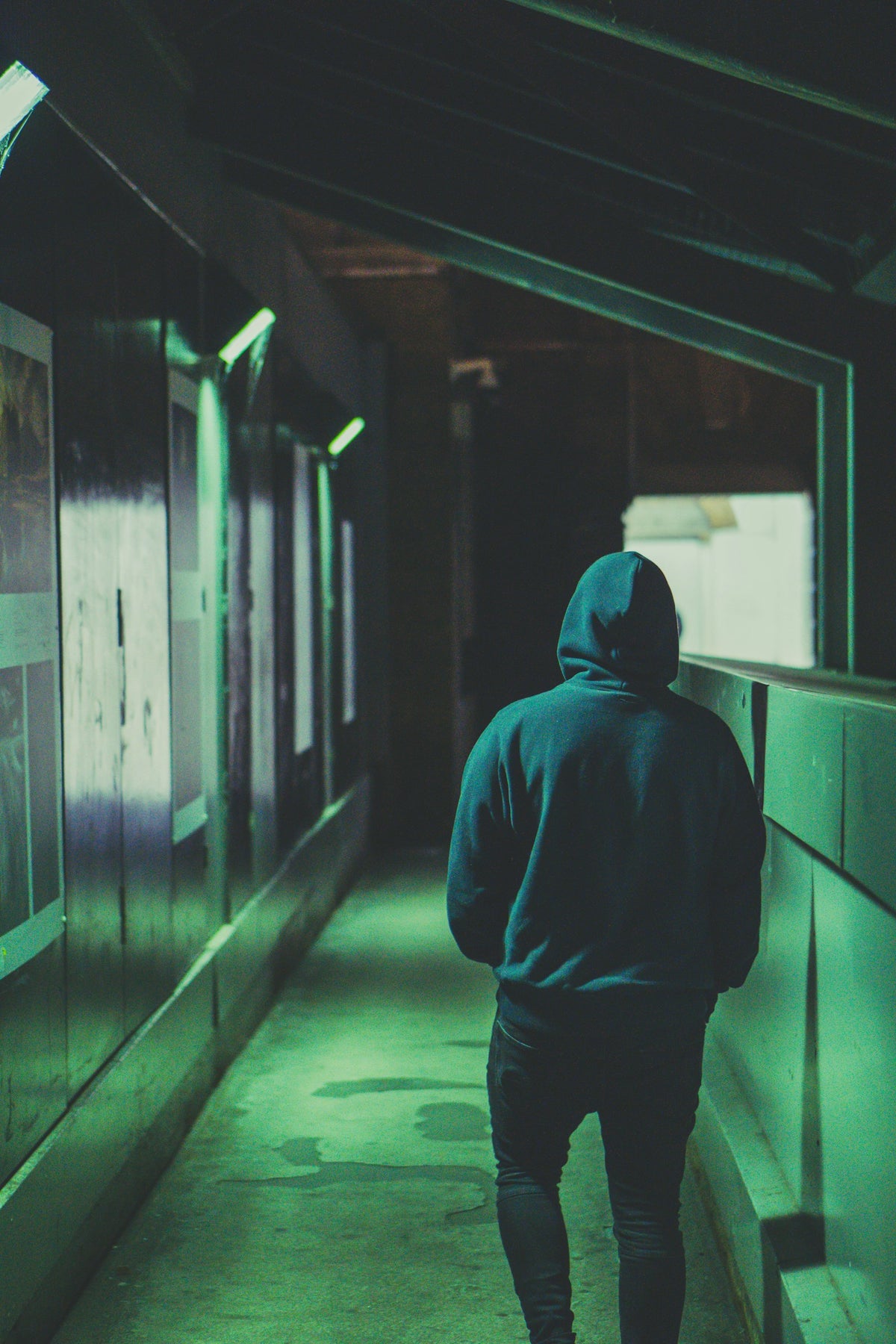
This is where the hoodie earns its keep. Not as an outfit, but as a small piece of control in a situation that has very little of it. You can't make your teammate respond. You can pull your hood up, sink into something heavy and familiar, and at least make the room around you feel like yours.
Why It's the Work, Not the People
It's tempting to think group project stress is really just about difficult teammates, but the research points somewhere more specific. Studies on collaborative academic work consistently find that self-generated stress is one of the biggest factors for students, and that anxiety climbs with how heavy the workload feels, not with how many people are technically sharing it. Trust matters too: students who aren't confident in their own contribution, or don't fully trust a teammate's, tend to experience the group environment as more threatening than a comparable solo assignment, even when the actual workload is smaller. In other words, group projects aren't stressful because other people are involved. They're stressful because the work becomes harder to predict, and predictability is most of what keeps academic stress manageable.
That reframes the whole experience a little. The friction isn't a personality problem. It's a structural one, and once you see it that way, it's easier to stop taking it personally when someone goes quiet in the chat.

The Room Changes When Everyone's In Sweats
Notice how different a group meeting feels depending on where it happens and what everyone's wearing. A stiff group call where everyone's dressed like they might get called on suddenly is a different animal from four people in oversized hoodies, cross-legged on a dorm floor, laptops balanced on knees. Comfort isn't a distraction from getting the work done, it's often what makes the group actually function as a group instead of four individuals defending their own slide. Heavyweight, soft fabric does something almost social: it lowers the stakes in the room. Nobody performs "productive" in a hoodie. They just work. There's a reason study-with-me culture and group projects both gravitate toward the same uniform. It signals that the pressure is on the task, not on each other.
What Actually Gets You Through It
A few things tend to separate the group projects that feel survivable from the ones that don't.
- Put the shared doc up before anyone talks. Reading the actual state of the work kills half the anxious guessing about who's done what.
- Split by time, not by role. "You do the intro, I'll do the data" invites uneven effort. "We're both working 7 to 9 tonight" invites accountability.
- Protect one solo session. However collaborative the project, you'll do your best thinking alone, probably late, probably in the exact chair and hoodie combination that makes your brain switch on.
- Say the quiet part in the group chat. "I'm a bit behind, can we regroup tomorrow" does more for group trust than silence ever will.

Because eventually, no matter how the group meetings go, it comes down to one person finishing the deck alone. Lamp on, everyone else asleep or offline, hoodie doing the job it always does: making the late, uncertain part of the work feel like somewhere you can actually sit for a while. That's not the part of the group project anyone puts in the peer evaluation. But it's the part that actually gets it done.
Imagery: Marvin Meyer, Brooke Cagle, and Anis Rahman via Unsplash