The Part of Studying Nobody Posts About
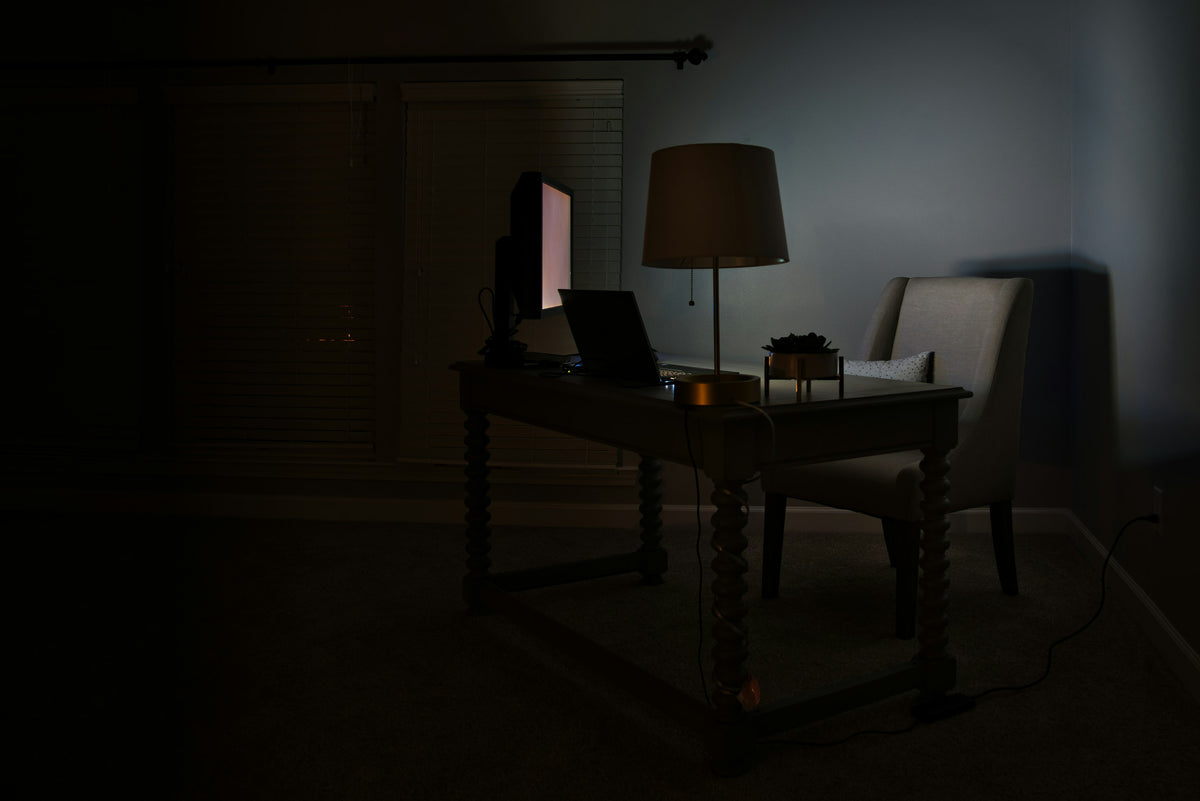
It's past midnight. Your tabs are stacked so deep you stopped counting them somewhere around forty-three. There's a half-eaten granola bar under your notes, a mug of tea you made at nine and forgot about, and a cursor blinking in a document that still says Introduction at the top.
This is not what ends up on the study aesthetic page.
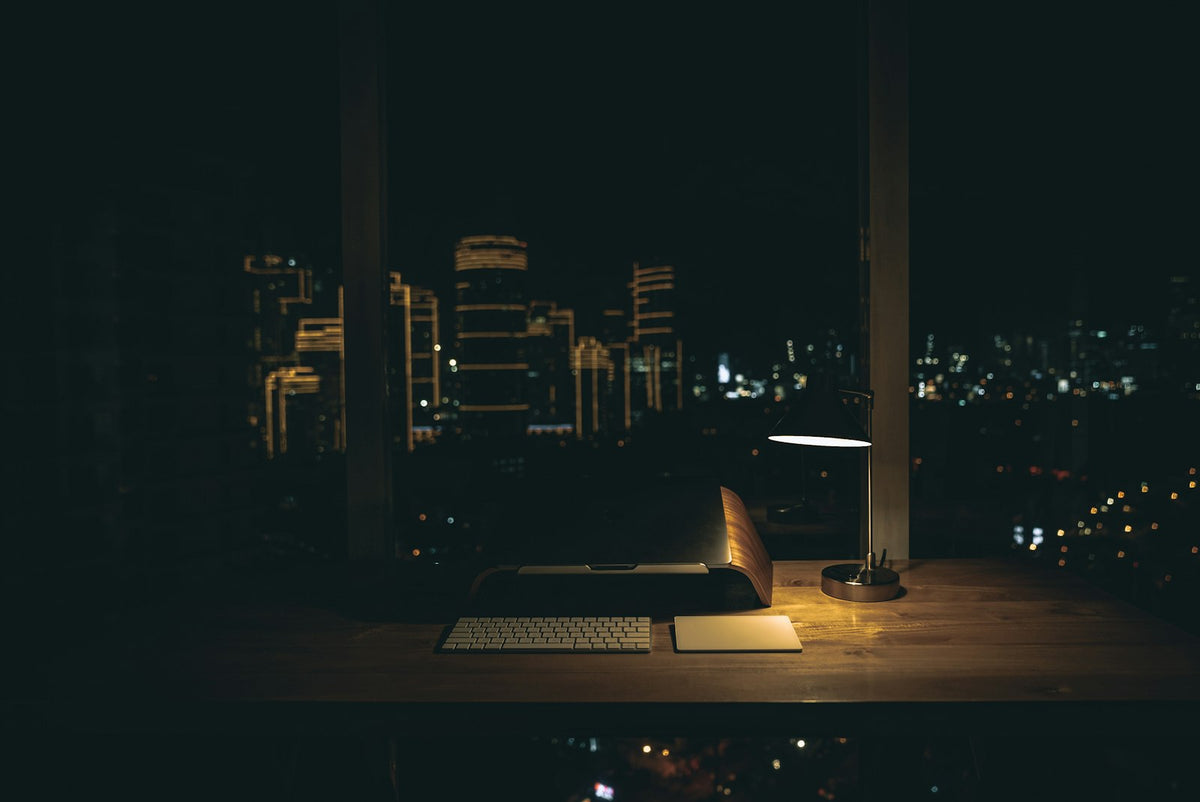
What ends up there is the other version. The desk arranged at golden hour. The colour-coded highlights. The flat-lay of the pen next to the spiral notebook, the iced coffee sweating in a shaft of afternoon light. The one where the hoodie sits perfectly, not pulled up over someone's head in an act of quiet desperation, but folded casually over a chair like a prop.
That version is beautiful. It's also not really studying.

What the Study Aesthetic Is Actually Selling You
StudyTok has built something genuinely strange: a genre of content about productivity that is almost entirely about the performance of productivity.
The colour-coded planner gets more engagement than the actual exam result. The morning routine video gets more views than anything the person learned that day. The aesthetic — the specific arrangement of objects, the lighting, the curated calm — becomes the product. And somewhere in there, the actual studying becomes almost incidental.
Building ritual around studying is genuinely useful. Sitting down in the same place, with the same drink, in the same comfortable clothes — the brain responds to consistency. Environment signals focus. That part is real.
But there's a version of the study aesthetic that sells the scene without the hours. And if you've ever spent forty minutes designing a planner layout instead of actually revising, you know the difference. The aesthetic becomes a performance — a way of proving you're trying, even when you feel lost in it.
Real studying is messier. It's quieter, too. It doesn't photograph well.
What Locking In Actually Looks Like
There's a specific kind of focus that doesn't get documented.
It's the hour that starts somewhere around midnight, when the group chat has gone quiet, when everyone else has apparently gone to bed or given up. The point where you stop optimising the environment and start actually working through something. No music, or music so familiar it stopped registering an hour ago. A screen, a notebook, the same problem you've been circling for two hours, and then — slowly — something starts to give.
That is studying. Not the playlist, not the aesthetic, not the thermal tumbler. The hour where it gets genuinely hard and you stay anyway.
The real version tends to involve: one browser window open instead of twelve, a silence that feels a little lonely, caffeine that stopped working around 11pm, and wearing something you've had on since morning that has somehow, despite everything, stayed comfortable. For a lot of students, that last part matters more than it sounds. When the desk chair is too cold, you leave. When you're wearing something that feels like a constraint rather than a second skin, you leave. The best sessions happen when your environment — including what you're wearing — asks nothing of you.

The Students Nobody Films
There's a whole category of student that StudyTok doesn't have a format for.
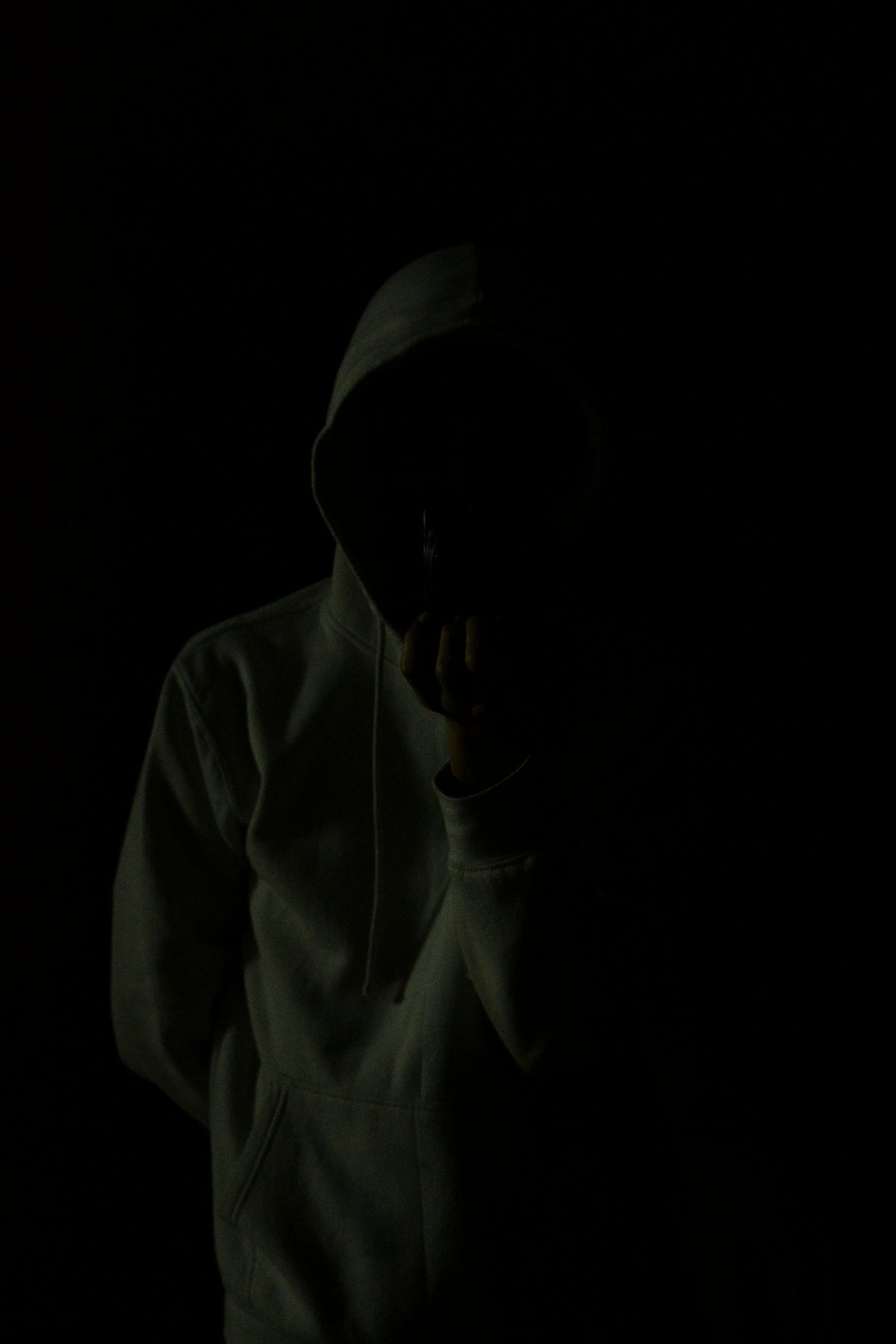
They don't set up a camera. They don't post their notes. They work at a desk that looks like a desk looks — used, slightly chaotic, honest. They have a hoodie they've owned for two years that they wear to every single late-night session, and they would genuinely not consider replacing it. It's not a prop. It's just part of the ritual, the way the same seat in the library is, or the same playlist, or the same cold walk home at 2am with the hood up against the night air.
These are the students who are actually building something. Not a personal brand around their academic journey — just quietly doing the hours. The ones who send essays in at 11:59. The ones whose best thinking happens between midnight and 3am, in a room with the lights low, a warm drink that's mostly for comfort now rather than caffeine, wearing something that's been through every exam season they've had.
Nobody sees this version. That's partly why it works.
The Unglamorous Hours Are the Ones That Count
The study aesthetic isn't the enemy. A clean desk helps. A good playlist helps. The sense of ritual — the hoodie you always wear, the mug you always use, the same corner of the library — all of it helps. Ritual is just comfort made consistent.
But the hours that actually move you forward are the ones that don't look like anything. The ones with the bad lighting and the cold tea and the tab you've had open for three days because you keep almost understanding it. The 1am session that nobody films and nobody needs to.
There is a version of you that exists between midnight and 3am, in a room that doesn't look like anything from the internet, working on something nobody's watching. That version isn't performing. It's just in it.
Wear something that works as hard as you do.
Imagery: JC Gellidon, Rafay Ansari via Unsplash